Common Chimney Problems Found During Inspections
To address common chimney problems found during inspections, local contractors can identify issues like creosote buildup, cracks, or blockages and recommend effective solutions.
Homeowners and property owners in the area often find that regular chimney inspections are essential to maintaining a safe and efficient heating system. During these inspections, common chimney problems found can range from minor issues like creosote buildup to more significant concerns such as cracked flue liners or damaged mortar joints. Recognizing these potential issues early can help prevent costly repairs and ensure your chimney functions properly when you need it most. Local contractors who specialize in chimney inspections are equipped to identify these problems accurately, giving property owners peace of mind and confidence in their heating setup.
Exploring this topic is especially practical for those who rely on their fireplaces or wood stoves during colder seasons or who want to ensure their home’s safety. Understanding the typical problems uncovered during inspections can help property owners stay proactive about maintenance and safety. Local service providers are available to perform thorough inspections and address any issues they find, making it easier to keep your chimney in top condition. Keep reading to learn more about common chimney problems and how local experts can help maintain a safe and efficient chimney system.
- Chimney Crown Repairs - homeowners noticing cracks or deterioration during inspections may need crown repairs handled by local contractors to prevent water intrusion.
- Flue Liner Replacement - inspections revealing damaged or cracked flue liners prompt property owners to seek local pros for safe and effective liner replacement.
- Chimney Cap Installation - missing or damaged chimney caps identified during inspections often lead to services from local providers to protect against debris and animal intrusion.
- Masonry Repair Services - cracked or crumbling masonry found during inspections can require prompt attention from local contractors to maintain structural integrity.
- Creosote and Soot Removal - buildup of creosote or soot during inspections may prompt homeowners to contact local pros for thorough cleaning to reduce fire risk.
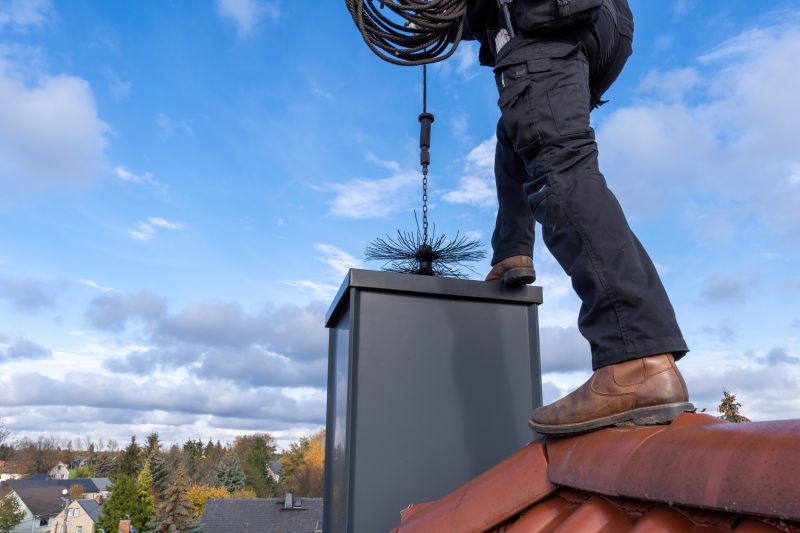
When homeowners search for common chimney problems found during inspections, they are typically interested in understanding issues that could affect the safety, efficiency, and longevity of their chimney systems. These problems often relate to the structural integrity of the chimney, the condition of the flue liner, or the presence of obstructions that hinder proper venting. Many property owners want to identify potential risks before they lead to costly repairs or dangerous situations, especially if they rely on their chimney for regular heating or decorative fireplaces. Recognizing these common issues helps homeowners plan for necessary repairs and ensures that their chimney systems operate safely and efficiently.
The problems uncovered during inspections often stem from aging materials, improper construction, or lack of routine maintenance. For example, cracked or missing mortar joints can lead to structural instability, while a damaged or deteriorated flue liner may increase the risk of fire or carbon monoxide leaks. Blockages caused by creosote buildup, debris, or animal nests are also frequent concerns, as they can impede proper venting and increase safety hazards. In addition, moisture intrusion and water damage are common issues, especially in properties where flashing or chimney crowns are compromised. Understanding these problems helps property owners grasp the importance of regular inspections and the role that local contractors play in identifying and addressing such issues.
Properties most typically associated with these common chimney problems include older homes with traditional masonry chimneys, as well as newer residences that may have installation or material defects. Residential properties with fireplaces, wood stoves, or pellet stoves are often examined for these issues, especially if they are used frequently or have not been inspected recently. Commercial buildings with large-scale venting systems may also encounter similar problems, although the focus is usually on safety and code compliance. Regardless of property type, regular inspections by local service providers can help detect these common problems early, preventing more serious damage and ensuring the chimney functions properly for years to come.
Understanding common chimney problems found during inspections provides homeowners with practical insights into what to expect during a professional assessment. These issues are often interconnected, with one problem potentially leading to another if left unaddressed. Local contractors who specialize in chimney inspections are equipped to identify these issues accurately and recommend appropriate solutions. Whether it’s repairing mortar joints, relining the flue, or removing obstructions, these service providers play a crucial role in maintaining the safety and performance of chimney systems. Connecting with experienced local pros ensures that property owners receive the expert guidance needed to keep their chimneys in good condition and avoid unexpected complications.
Chimney Masonry Repair - This project involves restoring damaged or deteriorated chimney masonry, which is often identified during inspections for common chimney problems found during inspections.
Flue Liner Replacement - Replacing or repairing damaged flue liners is a key service related to addressing issues discovered during chimney inspections.
Chimney Crown Restoration - Contractors specializing in chimney crown repairs help prevent leaks and structural damage, similar to addressing common chimney problems found during inspections.
Chimney Waterproofing - Waterproofing services are essential for protecting chimneys from moisture-related issues that are often revealed during inspections.
Chimney Cap Installation - Installing or replacing chimney caps can prevent debris and animal intrusion, a common concern flagged during inspections.
Firebox Repair Services - Repairing damage to the firebox area addresses common problems found during inspections that can impact safety and function.
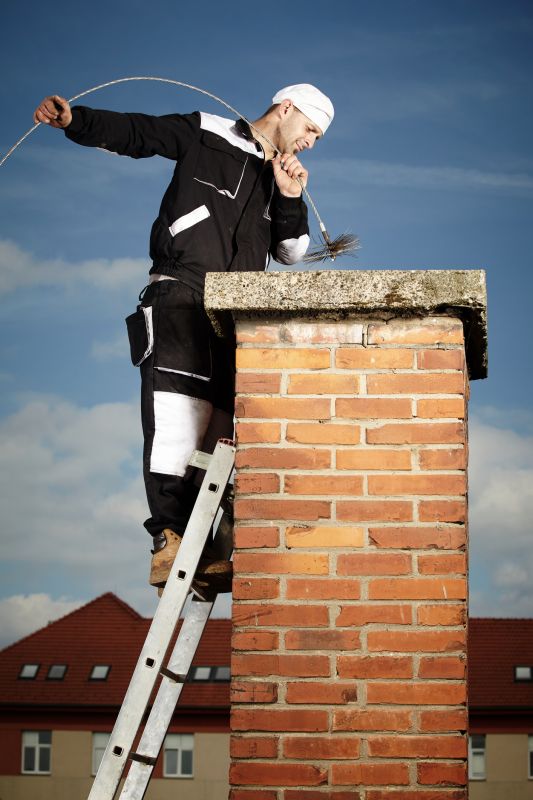
When comparing service providers for chimney inspections, it is important to consider their experience with similar projects. A contractor who has a history of handling common chimney problems found during inspections is likely to be more familiar with identifying issues such as creosote buildup, cracked flue liners, or damaged masonry. An experienced local contractor can provide insights into how they have addressed these common issues in past inspections, which can help ensure that potential problems are thoroughly evaluated and properly addressed during the service.
Clear, written expectations are essential when evaluating chimney inspection services. A reputable provider should be able to outline what the inspection will cover, including the specific areas they will assess and the types of common chimney problems they will look for. This transparency helps ensure that homeowners understand what to expect from the service and can compare offerings effectively. Detailed expectations also serve as a basis for discussing any additional concerns or specific issues related to the chimney’s condition.
Reputable references and good communication are vital factors when choosing local contractors for chimney inspections. Service providers who can offer references from previous clients or examples of similar projects demonstrate reliability and a track record of quality work. Additionally, clear and responsive communication throughout the process helps homeowners feel confident in the service being provided. A contractor who listens carefully, answers questions thoroughly, and keeps homeowners informed about findings related to common chimney problems found during inspections can contribute to a smoother, more informed experience.
Property owners often search for common chimney problems found during inspections when they are planning practical projects around their homes and businesses. Local pros provide Chimney Inspection services for everyday jobs and straightforward project options.

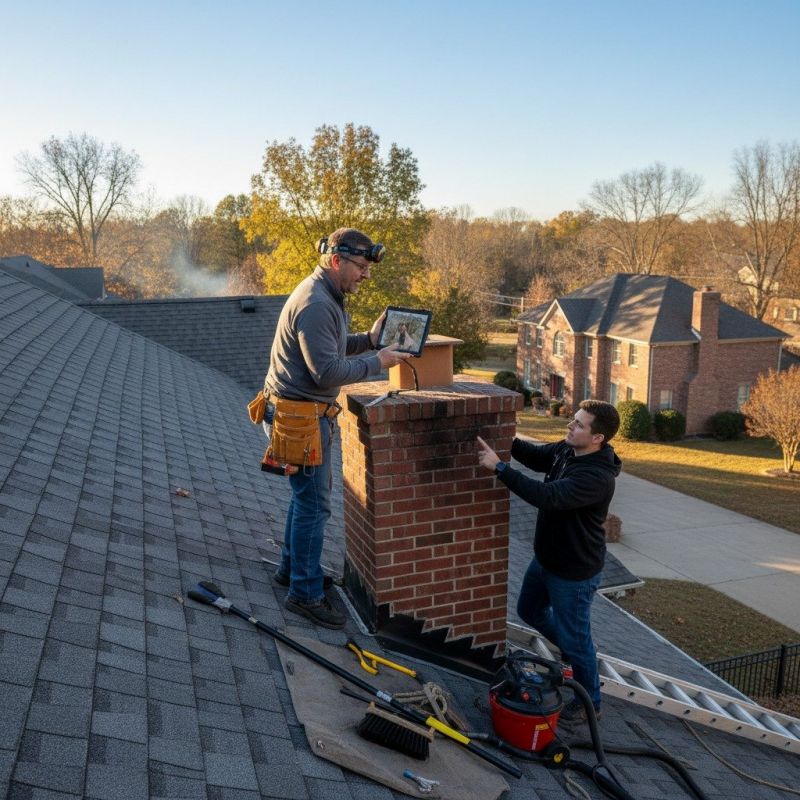
Understanding common chimney problems found during inspections can help property owners identify potential issues before they become costly repairs. During routine checks, issues like creosote buildup, cracked flue liners, and damaged mortar joints are frequently discovered, especially in homes with regular fireplace use. These problems can compromise the chimney’s safety and efficiency, making professional inspections an important step in maintaining a home’s heating system and preventing fire hazards. Local contractors experienced in chimney inspections can assess these common issues and recommend appropriate solutions to keep the chimney functioning properly.
Many property owners seek inspection services to address concerns about draft problems, moisture intrusion, or visible damage to the chimney structure. Identifying problems such as blocked vents, deterioration of chimney caps, or loose bricks can be crucial for safety and performance. Regular inspections by trained service providers help ensure that these common chimney problems are caught early, allowing for timely repairs and maintenance. Connecting with local experts can provide peace of mind and help preserve the integrity of the chimney system over time.
What are common chimney problems found during inspections? Common issues include creosote buildup, cracked or damaged chimney liners, and obstructions such as bird nests or debris that can affect safe operation.
How does creosote buildup impact chimney performance? Creosote accumulation can increase the risk of chimney fires and reduce airflow, making inspections essential to identify and address this problem early.
What signs indicate a damaged or cracked chimney liner? Visible cracks, deterioration, or crumbling material during an inspection suggest the liner may need repairs or replacement to prevent leaks and structural issues.
Why are obstructions like nests or debris a concern during inspections? Obstructions can block proper venting, cause smoke or harmful gases to enter the home, and increase the risk of fire or carbon monoxide buildup.
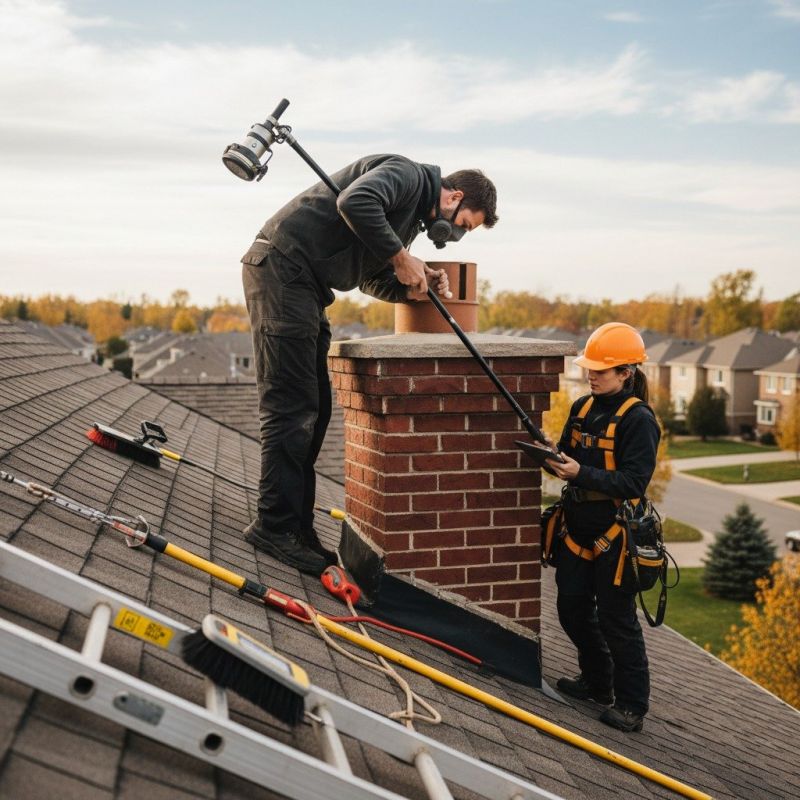
How can a professional inspection help identify hidden chimney problems? Local contractors use specialized tools and techniques to detect issues like hidden cracks, deteriorated mortar, or concealed obstructions that aren't visible externally.
Identifying creosote buildup - property owners can schedule inspections to detect creosote deposits that may increase fire risk and require professional cleaning by local contractors.
Detecting cracked or damaged liners - homeowners can have pros evaluate the condition of chimney liners during inspections to prevent leaks and structural issues.
Finding obstructions or blockages - regular inspections help identify debris or animal nests that could hinder proper venting and require removal by local service providers.
Spotting mortar deterioration or cracks - property owners can have cracks checked and repaired during inspections to maintain chimney stability and safety.
If you are thinking about common chimney problems found during inspections for a property, this guide is meant to help you understand this topic, the typical project types, and how different options might fit your plans.
When you are ready, you can use the quote form on this page to share a few details about your project. From there, local pros can review the basics and follow up with options that match what you have in mind.